
How to Extend the Lifespan of Your LiFePO₄ Battery

LiFePO₄ batteries, also known as lithium iron phosphate batteries, have become increasingly popular in applications ranging from electric vehicles to solar energy storage due to their safety, stability, and long lifespan. However, even the best batteries can degrade faster if not cared for properly. Extending the lifespan of your LiFePO₄ battery is not just about saving money, it’s about ensuring consistent performance, safety, and reliability. In this guide, we’ll explore practical tips and strategies to help you maximize the longevity of your LiFePO₄ battery.
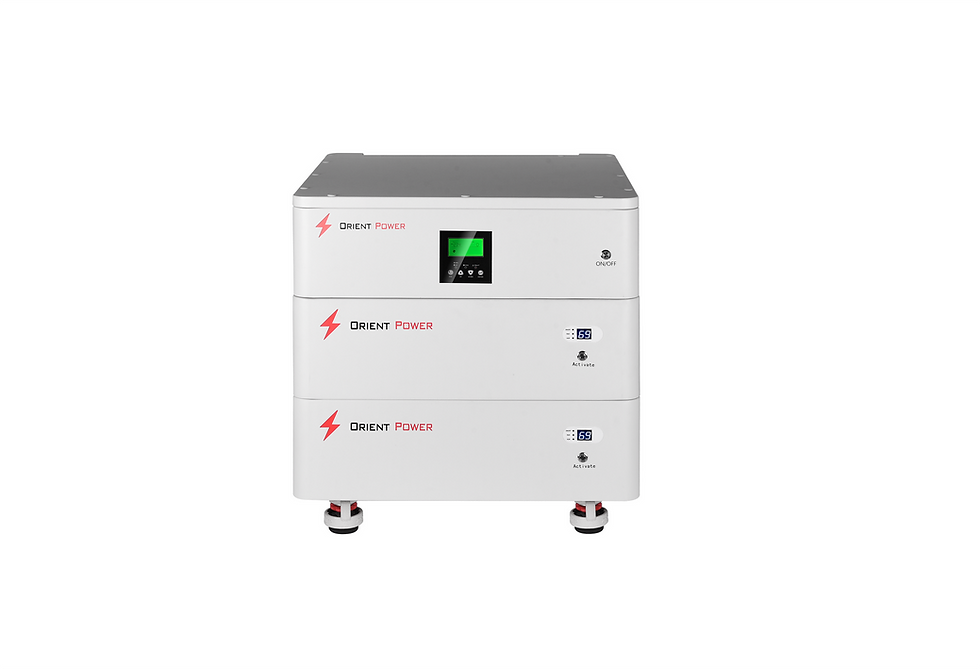
1. Understand Your LiFePO₄ Battery
Before diving into maintenance strategies, it’s important to understand what makes LiFePO₄ batteries unique. Unlike traditional lithium-ion batteries, LiFePO₄ cells are more chemically stable, less prone to overheating, and capable of thousands of charge cycles. However, their lifespan is still influenced by factors such as temperature, charge/discharge habits, and storage conditions. Knowing how your battery works will help you make smarter choices to preserve its life.
2. Optimize Charging Practices to Extend LiFePO₄ Battery Lifespan
Avoid Overcharging: Consistently charging a LiFePO₄ battery above its maximum voltage can stress the cells and reduce lifespan. Most LiFePO₄ batteries are designed for a maximum voltage of around 3.65V per cell. Using a compatible charger with automatic cutoff features can prevent overcharging.
Avoid Deep Discharges: While LiFePO₄ batteries are more resilient to deep discharge than other lithium-ion types, regularly discharging below 20% can still impact longevity. Ideally, keep the state of charge between 20% and 80% for everyday use.
Use Smart Chargers: Investing in a high-quality charger designed for LiFePO₄ chemistry ensures optimal charge curves, balanced cells, and safe operation.
3. Monitor Temperature and Storage Conditions
Temperature plays a critical role in battery health. LiFePO₄ batteries perform best between 0°C and 45°C (32°F–113°F). Extreme temperatures can accelerate degradation:
High temperatures increase chemical reactions, reducing capacity over time.
Low temperatures may temporarily reduce performance but typically don’t cause permanent damage if handled properly.
Storage Tips:
Store batteries in a cool, dry place.
Avoid leaving them fully charged for extended periods if not in use; 50–60% charge is ideal for long-term storage.
Use protective battery cases or enclosures to prevent exposure to sunlight or heat sources.
4. Maintain Regular Usage
LiFePO₄ batteries benefit from periodic use. If left idle for months at a time, the battery may slowly self-discharge and risk voltage imbalance among cells. Aim to use or cycle the battery at least once every few months, keeping it within recommended charge levels.
5. Perform Regular Maintenance
Check Connections: Loose or corroded terminals can cause resistance, heat, and energy loss. Inspect connectors periodically and clean them if necessary.
Balance the Cells: Many LiFePO₄ batteries come with built-in Battery Management Systems (BMS) that automatically balance cells, but older models may require manual balancing to ensure even charge distribution.
Inspect for Physical Damage: Swelling, leaks, or unusual odors are signs of potential issues. Stop using the battery immediately and consult the manufacturer if any of these occur.
6. Use the Battery in Compatible Applications
LiFePO₄ batteries are versatile, but using them outside recommended parameters can shorten lifespan:
Avoid overloading the battery beyond its rated current.
Ensure devices or inverters are compatible with LiFePO₄ chemistry.
Consider environmental conditions and duty cycles for long-term applications.
7. Avoid Cheap or Incompatible Chargers
Many battery problems originate from using non-compatible chargers. Chargers not designed for LiFePO₄ chemistry may overcharge or fail to balance the cells, which accelerates aging. Stick to reputable brands and follow manufacturer guidelines.
8. Keep a Maintenance Log
Recording charge cycles, usage patterns, and storage conditions can help you identify behaviors that reduce lifespan. Over time, this data helps optimize usage and prevent preventable damage.
Extending the lifespan of your LiFePO₄ battery is achievable with careful attention to charging habits, temperature management, regular usage, and proper maintenance. By following these strategies, you can enjoy years of reliable performance while protecting your investment. Remember, a well-maintained battery is not only safer but also more cost-effective in the long run.
You can checkout our battery ranges on our Orient Power Website.
If you have questions or need personalized advice, reach out to us at jophine@opsolarbattery.com.

Comments