
LiFePO4 Battery Recycling – The Future of Sustainable Energy Storage

As global demand for renewable energy and electric mobility accelerates, battery technology plays a crucial role in shaping a sustainable future. Among the many options available, LiFePO4 (Lithium Iron Phosphate) batteries stand out for their safety, longevity, and environmental advantages. But what truly sets them apart is their potential for responsible and efficient recycling.
What Makes LiFePO4 Batteries Different?
LiFePO4 batteries are a type of lithium-ion battery, but they differ significantly from traditional lithium-ion chemistries such as Lithium Cobalt Oxide (LCO) or Nickel Manganese Cobalt (NMC).
Key advantages include:
No cobalt or nickel – Reduces reliance on mining environmentally and ethically problematic materials
Thermal stability – Lower risk of overheating and fire
Long cycle life – Often 2,000–5,000+ charge cycles
Lower environmental toxicity – Uses iron and phosphate, which are more abundant and less harmful
These characteristics already make LiFePO4 batteries a more sustainable choice but recycling strengthens that advantage even further.
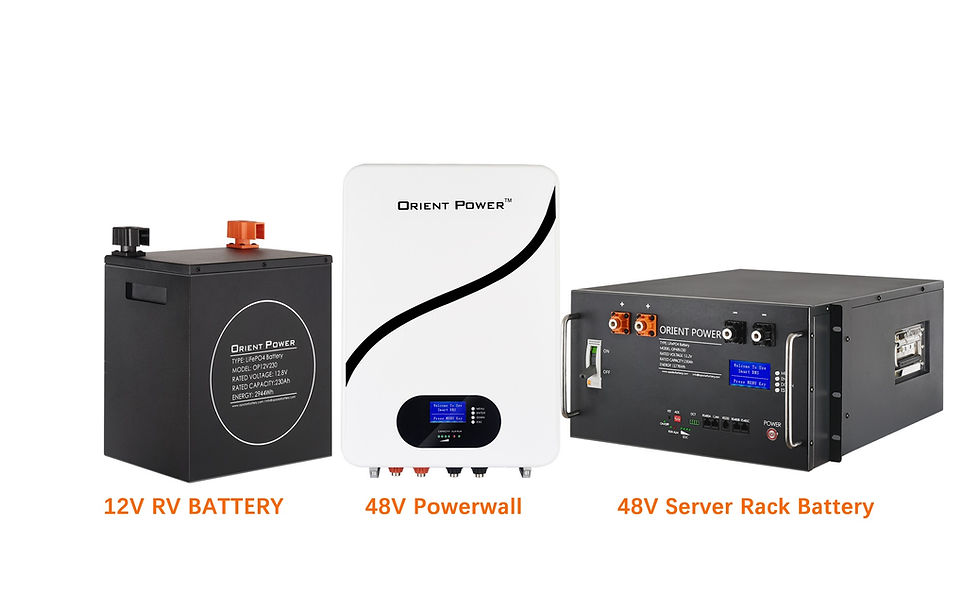
How the LiFePO4 Battery Recycling Process Works
Recycling LiFePO4 batteries involves several critical steps designed to safely recover valuable materials while minimizing environmental impact.
1. Collection and Sorting
Used batteries are collected from electric vehicles, solar energy storage systems, and other applications. They are sorted based on chemistry and condition to determine whether they can be reused, refurbished, or recycled.
2. Discharging and Dismantling
Batteries are safely discharged to eliminate residual electrical energy. They are then dismantled to separate components such as casing, wiring, and internal cells.
3. Mechanical Processing
The battery cells are shredded or crushed in controlled environments. This process separates materials into different streams, including metals, plastics, and active materials.
4. Material Recovery
Through hydrometallurgical or other advanced recycling methods, valuable materials like:
Lithium
Iron
Phosphate compounds
Copper and aluminum
are extracted and purified for reuse in new batteries or other industrial applications.
Because LiFePO4 batteries do not contain cobalt or nickel, the recycling process is often less chemically intensive and safer compared to other lithium-ion chemistries.
Why LiFePO4 Recycling Is Environmentally Friendly
Reduced Toxicity
Unlike cobalt-based batteries, LiFePO4 batteries do not rely on heavy metals associated with hazardous mining and toxic waste.
Lower Carbon Footprint
Recycling recovered materials reduces the need for virgin raw material extraction, cutting down on energy consumption and greenhouse gas emissions.
Resource Efficiency
Lithium and other metals can be reintroduced into battery production, supporting a circular economy model for energy storage.
Safer End-of-Life Handling
LiFePO4 batteries are more thermally stable, reducing risks during transport, storage, and processing.
Supporting the Circular Energy Economy
As renewable energy systems expand worldwide, energy storage demand is skyrocketing. Solar installations, grid storage projects, and electric vehicles increasingly rely on battery systems.
By prioritizing LiFePO4 battery recycling, we:
Minimize environmental impact
Extend material lifecycles
Reduce dependency on conflict minerals
Strengthen sustainable manufacturing supply chains
The goal is not just better batteries—but a better lifecycle for batteries.
The Road Ahead
Battery recycling technology continues to evolve. Innovations in direct recycling methods and material recovery efficiency are making LiFePO4 batteries even more attractive from a sustainability standpoint.
Governments and manufacturers are also implementing extended producer responsibility (EPR) programs and stricter recycling regulations, encouraging the growth of dedicated battery recycling infrastructure.
LiFePO4 batteries are more than just a safer energy storage solution—they are a step toward a fully circular, low-carbon energy ecosystem.
Final Thoughts
LiFePO4 battery recycling represents a crucial piece of the sustainable energy puzzle. With safer chemistry, longer lifespan, and lower environmental impact, these batteries offer clear advantages over traditional lithium-ion options.
As we transition toward renewable energy and electrification, embracing recyclable and eco-friendly technologies like LiFePO4 will help ensure that the future of energy storage is not only powerful—but sustainable. For more information about our LiFePO4 battery solutions and sustainable energy storage systems, visit our website: https://www.opsolarbattery.com


Comments